During the last seven days, the price of bitcoin has dropped 4.8% from a high of $9,700 on June 24, to a low of $8,965 on June 27. Since then the price has increased and the price per bitcoin is back above the $9k zone but much lower than before. The lower price has affected the profits of miners hashing away to find blocks on the network. Ever since they lost 50% of the block reward on May 11, gathering profits have been tough on miners with bitcoin prices at these levels.
Mining bitcoin is an extremely competitive industry and after the BTC reward halving on May 11, 2020, it has been much harder to mine the rare digital currency. At the time of publication, the price of a single BTC has been hovering between $9,050 to $9,250 during the last few days.
This has given the crypto asset an overall market valuation of between $165 billion to $170 billion during the course of the week. The price is over 4.8% lower than it was on June 24, when BTC prices were hovering around $9,700 last Wednesday.
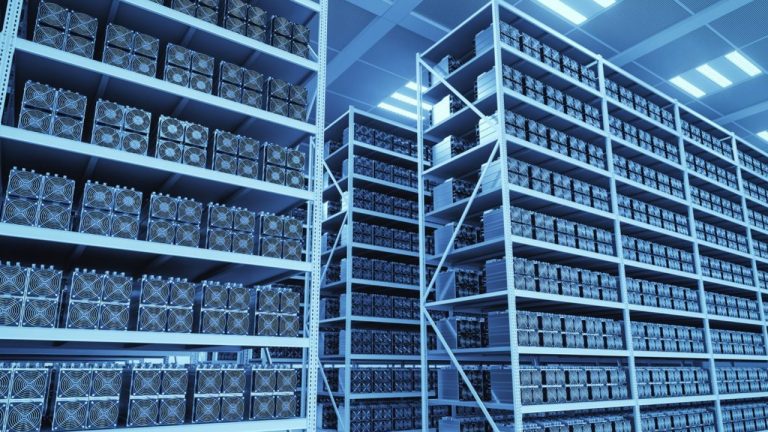
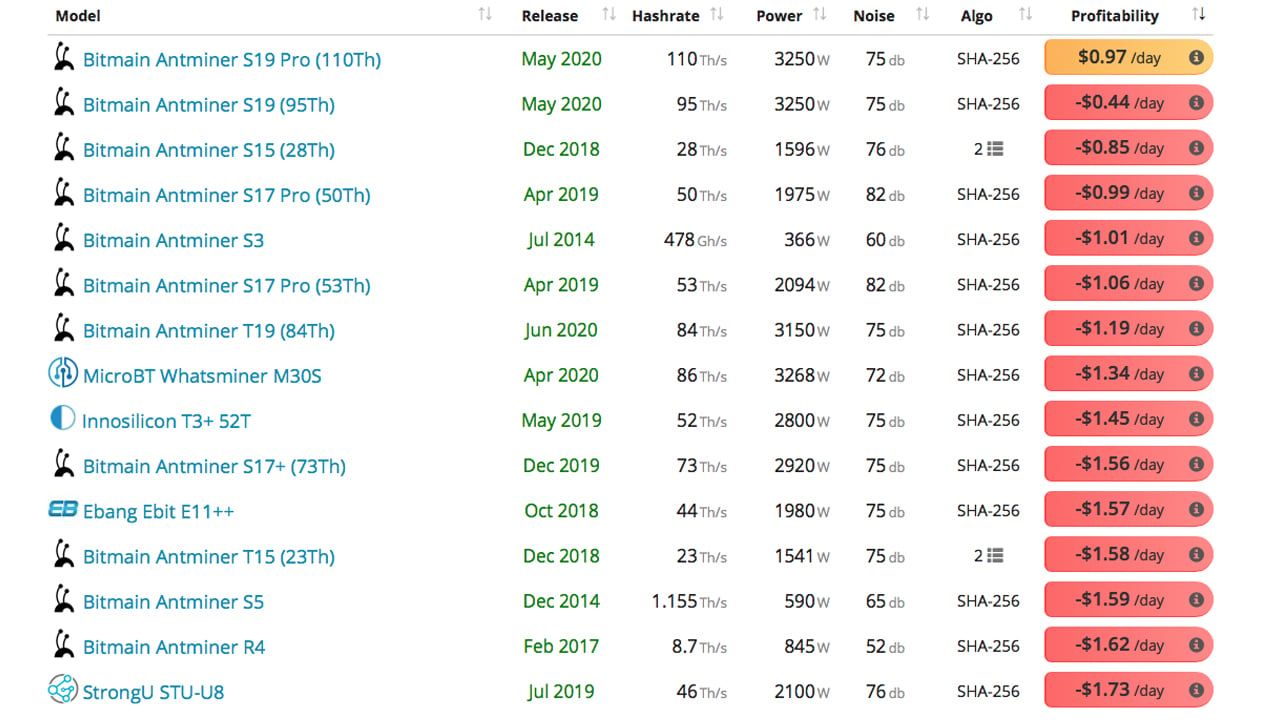
Of course, the price of BTC directly affects miners and the tens of thousands of ASIC mining rigs housed in warehouses all around the world. An example of this trend is how the Bitmain Antminer S19 Pro (110TH/s) is the only profitable machine if a mining operation is paying $0.12 per kilowatt-hour (kWh).
With this electrical cost, the Antminer S19 Pro would only make $0.97 per day while a number of other miners would be mining at a loss. Now we all know that in places like China and other regions worldwide, those operations pay much less than $0.12 per kWh.
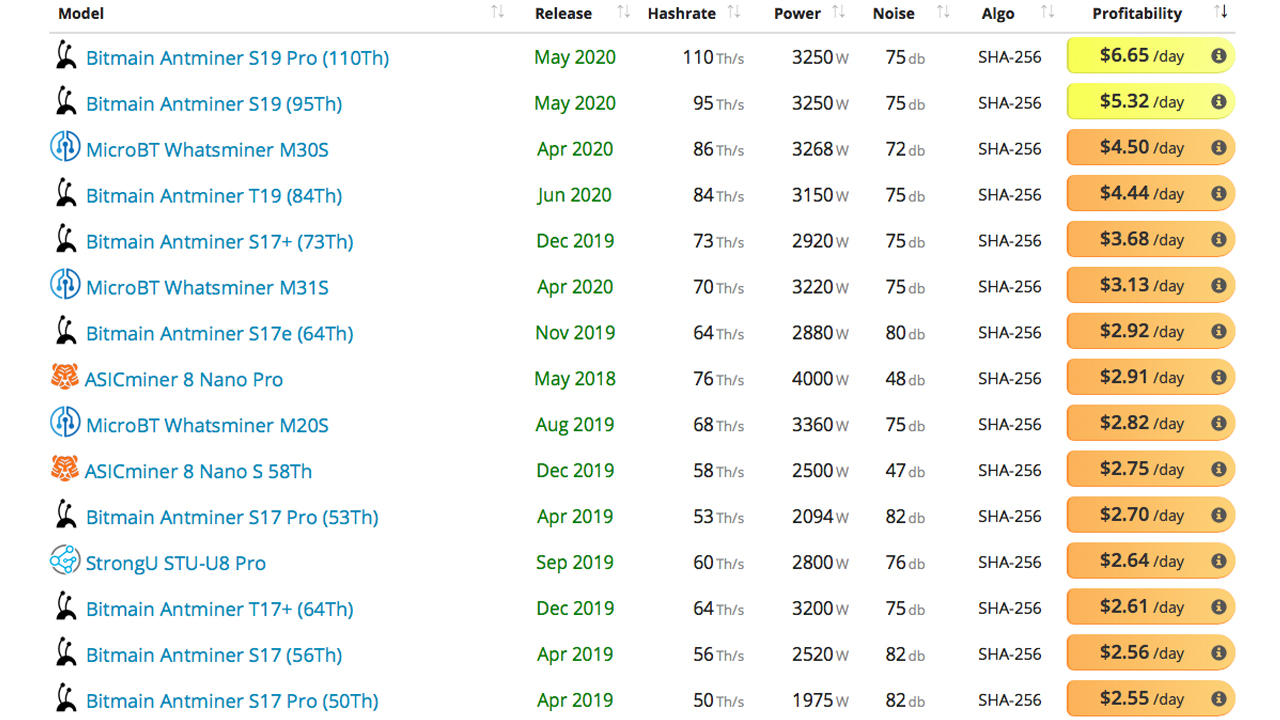
At today’s BTC exchange rates and at a much lower rate of $0.04 per kWh, a much larger number of SHA256 miners would be profitable. At $0.04 per kWh, a total of 49 SHA256 ASIC mining rigs are profitable at today’s spot market price.
The top five mining rigs making the most profit at the electrical rate of $0.04 per kWh, includes the Bitmain Antminer S19 Pro (110TH/s), Bitmain Antminer S19 (95TH/s), MicroBT Whatsminer M30S (86TH/s), Bitmain Antminer T19 (84TH/s), and the Bitmain Antminer S17+ (73TH/s).
The machines that are making the worst profits at $0.04 per kWh and BTC’s current exchange rate include miners like the GMO miner B2 (24TH/s), Innosilicon T2 Turbo (24TH/s), Bitmain Antminer S9 SE (16TH/s), Bitfily Snow Panther B1+ (25.5TH/s), and the Canaan AvalonMiner 921 (20TH/s).
Miners who are mining BTC at a loss at $0.04 per kWh include Bitfily Snow Panther B1 (16TH/s), Aladdin Miner (16TH/s), and the Ebang Ebit E10 (18TH/s). ASIC mining rigs that offer terahash below the 20TH/s level are likely not making profits unless they are paying less than $0.04 per kWh. Many of these older generation mining rigs would need to pay around $0.01 per kWh or get electricity for free.
Just like the blockchain analytics provider Tradeblock wrote in a report back in February, the company said that it estimated the cost to mine BTC should be over $12,500 after the halving.
“The [data] suggests that miners are likely expecting the price of bitcoin to rise to higher levels (above $12,000-15,000 per BTC) around the halving allowing them to continue to generate a profit,” Tradeblock wrote at the time. “Or they likely will look to reduce resources following the halving resulting in a hash rate decline as profitability falls,” the company added.
The price of BTC has yet to keep the $10k zone for very long and every time it does it’s been pushed back down below the psychological region. If the price of BTC does in fact jump back to above $12,000-15,000 per BTC like Tradeblock’s report suggested, miners of course, would do a whole lot better.
At $12,000-15,000 per bitcoin, older generation miners that process hashpower below the 20 terahash per second level would likely be turned right back on. It’s likely that many older generation miners with low terahash outputs are sitting and waiting to do just that.
What do you think about the profitability of ASIC mining rigs at today’s exchange rates? Let us know what you think in the comments section below.
The post Bitcoin’s 5% Drop in Value Puts Pressure on BTC Mining Operations and Older ASIC Rigs appeared first on Bitcoin News.
from Bitcoin News https://ift.tt/38d6STw
Comments
Post a Comment