
Jack Abramoff, the lobbyist behind one of the biggest Washington lobbying scandals as portrayed in the feature film Casino Jack, has been charged in connection with AML bitcoin cryptocurrency. He faces returning to jail after previously serving three and a half years in prison.
Jack Abramoff Charged in Cryptocurrency Fraud Case
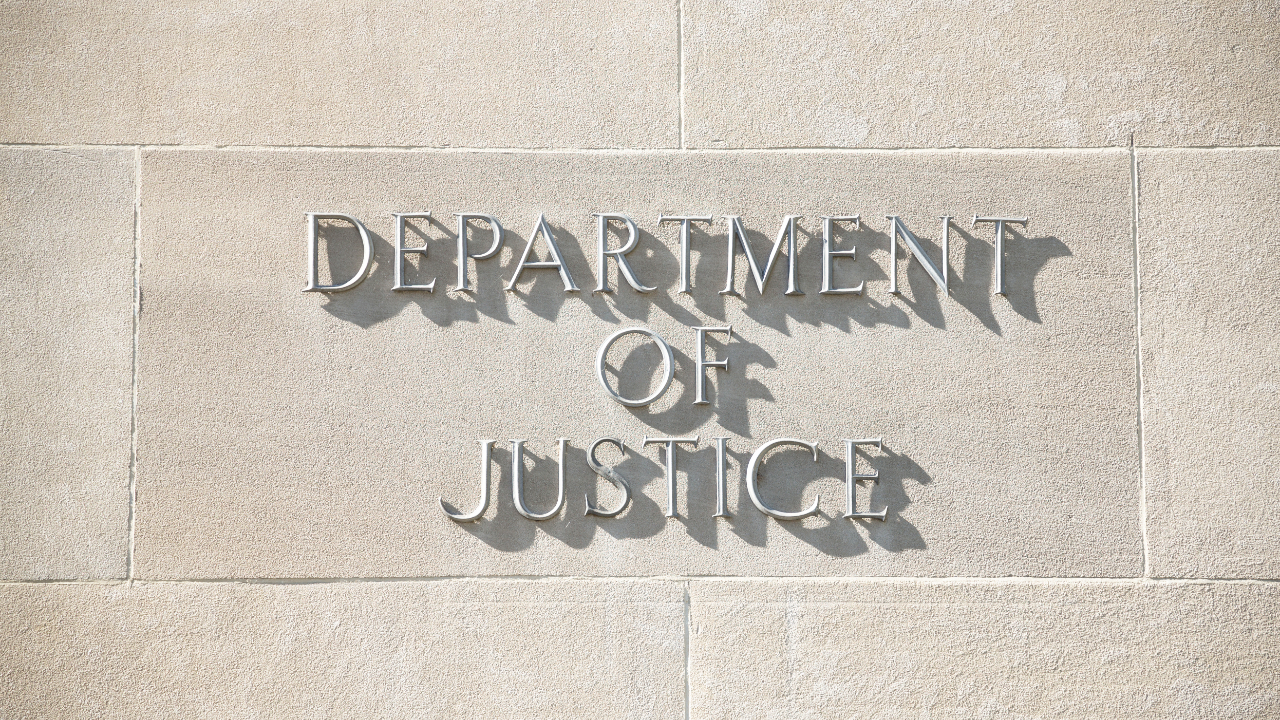
The U.S. Department of Justice (DOJ) announced on Thursday that lobbyist Jack Abramoff and Rowland Marcus Andrade have been “charged with fraud in connection with $5 million initial coin offering of cryptocurrency AML bitcoin.”
It has been more than 14 years since Jack Abramoff pleaded guilty in one of the biggest Washington lobbying scandals in U.S. history. Now the 62-year-old has reportedly agreed to enter guilty pleas on charges in two separate schemes, one of which involves a cryptocurrency project called “AML bitcoin,” with which he allegedly helped Andrade defraud investors. The DOJ alleges:
Andrade and Abramoff conspired to make false and misleading statements to potential purchasers of a proposed new cryptocurrency called AML bitcoin.
The charging document states that “Andrade claimed to be the creator of AML bitcoin and inventor of its technology that purportedly would prevent money laundering and anonymous use through ‘biometric technologies.'” He further “claimed this technology would allow the AML bitcoin cryptocurrency to comply with anti-money laundering and know-your-customer laws and regulations.” Andrade and his company NAC Foundation sold AML bitcoin to investors in the U.S. and globally through at least December 2018, raising more than $5 million, the DOJ noted. “Andrade defrauded investors by misusing funds that were raised and laundered funds that were illegally obtained.”
Andrade has been charged in the indictment with one count of wire fraud and one count of money laundering. If convicted, he “faces a maximum sentence of 20 years, and a fine of $250,000, plus restitution if appropriate, for violation of 18 U.S.C. § 1343, and a maximum sentence of 20 years and a fine of $500,000 for violation of 18 U.S.C. § 1956(a)(1),” the DOJ explained.
Abramoff has been charged with one count of conspiracy and one count of violating the provisions of the Lobbying Disclosure Act. In 2017, he was allegedly “retained by a client in the marijuana industry, and that the engagement in part involved efforts to advocate for changes in federal law and policy,” the DOJ added. However, “The information filed against Abramoff also alleges that he knowingly and corruptly failed to register as a lobbyist, as required by the Lobbying Disclosure Act.” The Justice Department continued:
This is the first ever known prosecution of a lobbyist for a criminal violation of the Lobbying Disclosure Act.

“Abramoff faces a maximum sentence of 5 years, and a fine of $250,000 for violation of 18 U.S.C. § 371, and a maximum sentence of 5 years and a fine of $250,000, for violation of 2 U.S.C. § 1606(b),” the DOJ wrote.
In addition to criminal charges, the U.S. Securities and Exchange Commission (SEC) has separately filed civil charges against both Abramoff and Andrade over the AML bitcoin cryptocurrency scheme for “alleging securities fraud and acting as unregistered brokers of securities, among other charges,” the Justice Department described.
Jack Abramoff has spent time in federal prison before. After a guilty plea in a lobbying scandal and his dealings with Suncruz Casinos in January 2006, he was sentenced to six years in federal prison for mail fraud, conspiracy to bribe public officials, and tax evasion. He served 43 months and was released on December 3, 2010. He then authored the autobiographical book called “Capitol Punishment: The Hard Truth About Washington Corruption From America’s Most Notorious Lobbyist.” Abramoff’s stories have been made into two films: the documentary “Casino Jack and the United States of Money” and the feature film “Casino Jack,” starring Kevin Spacey as Abramoff.
According to U.S. Attorney David Anderson, Abramoff has agreed to plead guilty to criminal conspiracy charges and a criminal violation of the Lobbying Disclosure Act in the AML bitcoin case and could face up to five years in prison.
Do you think Jack Abramoff should go to prison for his role in the AML bitcoin fraud case? Let us know in the comments section below.
The post ‘Casino Jack’ Abramoff Charged in AML Bitcoin Cryptocurrency Fraud Case, Could Return to Prison appeared first on Bitcoin News.
from Bitcoin News https://ift.tt/3dGMnzD
Comments
Post a Comment