Report: JP Morgan Boss ‘Not Happy’ as Capital Positions Exemption for Big Banks Ends

Report: JP Morgan Boss 'Not Happy' as Capital Positions Exemption for Big Banks Ends

On March 19, 2021, the U.S. Federal Reserve Board published a press release that detailed the temporary supplementary leverage ratio easements will be expiring as scheduled. U.S. banks will no longer have the relaxed capital requirements they once held since the onset of the Covid-19 outbreak.

Despite Wall Street’s Protest Federal Regulators Deny SLR Extension

During the first week of March, members of the U.S. Federal Reserve shrugged off concerns over inflation and erratic bond markets. More recently, Fed Chairman Jerome Powell explained that he looks at bitcoin as a substitute for gold. Now analysts and economists think the Fed may have some different issues ahead, as the U.S. central bank is ending the supplementary leverage ratio (SLR) easements invoked back in April 2020.

“[The] Federal Reserve Board announces temporary change to its supplementary leverage ratio rule to ease strains in the Treasury market resulting from the coronavirus and increase banking organizations’ ability to provide credit to households and businesses,” the central bank noted and enacted at the time.

The loosened rules supplementary leverage ratio meant that banks could exclude certain items from capital positions like cash and bonds on their balance sheets. The ruling was a stark difference to the words uttered back in 2013, when former Chairman Ben Bernanke wanted to “maintain strong capital positions.” When the Fed eased up on the SLR in April 2020, the central bank and major financial institutions caught a lot of flak from the media and economists.

SLR Changes Will End March 31, CEO of JP Morgan Is ‘Not Happy’

Bank failures can severely harm an economy and without transparency, the importance of bank capital can be tossed to the wayside. The major Wall Street banking institutions attempted to get U.S. regulators to extend the SLR easements but they were ultimately denied.
Report: JP Morgan Boss 'Not Happy' as Capital Positions Exemption for Big Banks Ends
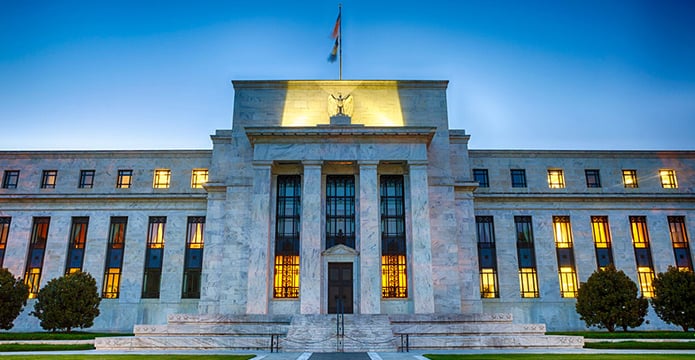
In April 2020, the Federal Reserve exempted big bank’s from certain capital requirements in order to stabilize the economy because of Covid-19. Now the temporary supplementary leverage ratio (SLR) easements will end this month.

CNN Business contributor Matt Egan called the SLR measure the “big banks’ ‘get out of jail free’ card.” Then on March 19, 2021, the Federal Reserve Board announced the ending of the SLR provisions from last year.

“The federal bank regulatory agencies today announced that the temporary change to the supplementary leverage ratio, or SLR, for depository institutions issued on May 15, 2020, will expire as scheduled on March 31, 2021,” the press release details. “The temporary change was made to provide flexibility for depository institutions to provide credit to households and businesses in light of the Covid-19 event.”

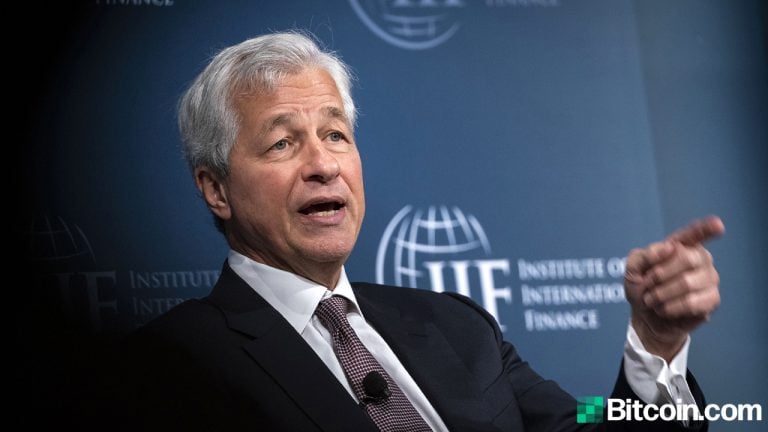
A recent report from Bloomberg’s Peter Coy says Jamie Dimon, the American billionaire businessman and CEO of JP Morgan Chase is “not happy” with the temporary change ending. Coy also noted that Dimon “may soon turn away deposits” after revealing a snippet from the January 15 earnings call.

Because the money supply spigot was turned on during the same time capital requirements easements were enacted, banks have a lot of liquidity. Coy notes that it’s a “strange problem” and “JP Morgan Chase and other big banks are getting more assets than they even want.”

What do you think about the supplementary leverage ratio easements ending on March 31? Let us know what you think about this subject in the comments section below.


from Bitcoin News https://ift.tt/396KAo8

Comments

Popular posts from this blog

Mt Gox Creditors Updated, Trustee Says Rehabilitation Custodian Is ‘Currently Preparing to Make Repayments’

On August 31, 2022, the Mt Gox trustee Nobuaki Kobayashi explained in a recent letter that the rehabilitation custodian is “currently preparing to make repayments” to Mt Gox creditors. Trustee Updates Mt Gox Creditors — Repayment Date and Exchange Still Unknown Last week speculation and rumors concerning the release of 140K bitcoin ( BTC ) from Mt Gox littered social media platforms and headlines. Bitcoin.com News covered the situation six days ago as a number of people and Mt Gox creditors called the rumors “ fake news .” During that same period of time, a bitcoin whale transferred 10,000 BTC to unknown wallets, and a 2018 annotation , heuristics, and clustering methods show the funds likely originated from the June 2011 Mt Gox hacks. Following the mysterious whale transfer, last Wednesday, Mt Gox published an official update from the court trustee Nobuaki Kobayashi that explains the court is “currently preparing to make repayments” to creditors. Mt Gox creditors have been wait...

Fidelity Discusses Bitcoin as Portfolio Insurance — Could Soon Stand in ‘Stark Contrast’ to Path Fiat Currencies Take

Fidelity Digital Assets, a subsidiary of Fidelity Investments, says that bitcoin could be considered portfolio insurance. The firm notes that the cryptocurrency “may soon stand in stark contrast to the path that the rest of the world and fiat currencies may take — namely the path of increased supply, additional currency creation, and central bank balance sheet expansion.” Fidelity Says Bitcoin Could Be Portfolio Insurance Fidelity Digital Assets, a subsidiary of Fidelity Investments, recently published a research study titled “The Rising Dollar and Bitcoin.” The research outlines “how bitcoin could be considered portfolio insurance” as the rising dollar impacts global currency markets. “The strengthening U.S. dollar is wreaking havoc among other countries and may put pressure on the Federal Reserve to soon reverse its tightening monetary actions, something that has precedent based on 1985’s Plaza Accord,” Fidelity explained. In addition, “more monetary debasement may be needed to ...

Economists Discuss Russia, China Potentially Developing Gold-Backed Currency That Could Undermine US Dollar

Economists have weighed in on reports that China and Russia may be developing a new gold-backed currency that could undermine the U.S. dollar’s status as the world’s primary reserve currency. Russia and China May Be Developing Gold-Backed Currency Several experts have shared their views on Russia and China potentially creating a new gold-baked currency, Fox Business reported Saturday, emphasizing that China has been buying up huge quantities of gold while Russia was forced off the U.S. dollar due to sanctions imposed on the country following its invasion of Ukraine. The news outlet noted that some experts have cautioned that these moves, along with the closer relationship that has developed between Moscow and Beijing, point to the likelihood of China attempting to launch a gold-backed currency. However, neither Russia nor China has officially confirmed plans for such a currency. Craig Singleton, senior fellow at the Foundation for Defense of Democracies and a former U.S. diplomat,...