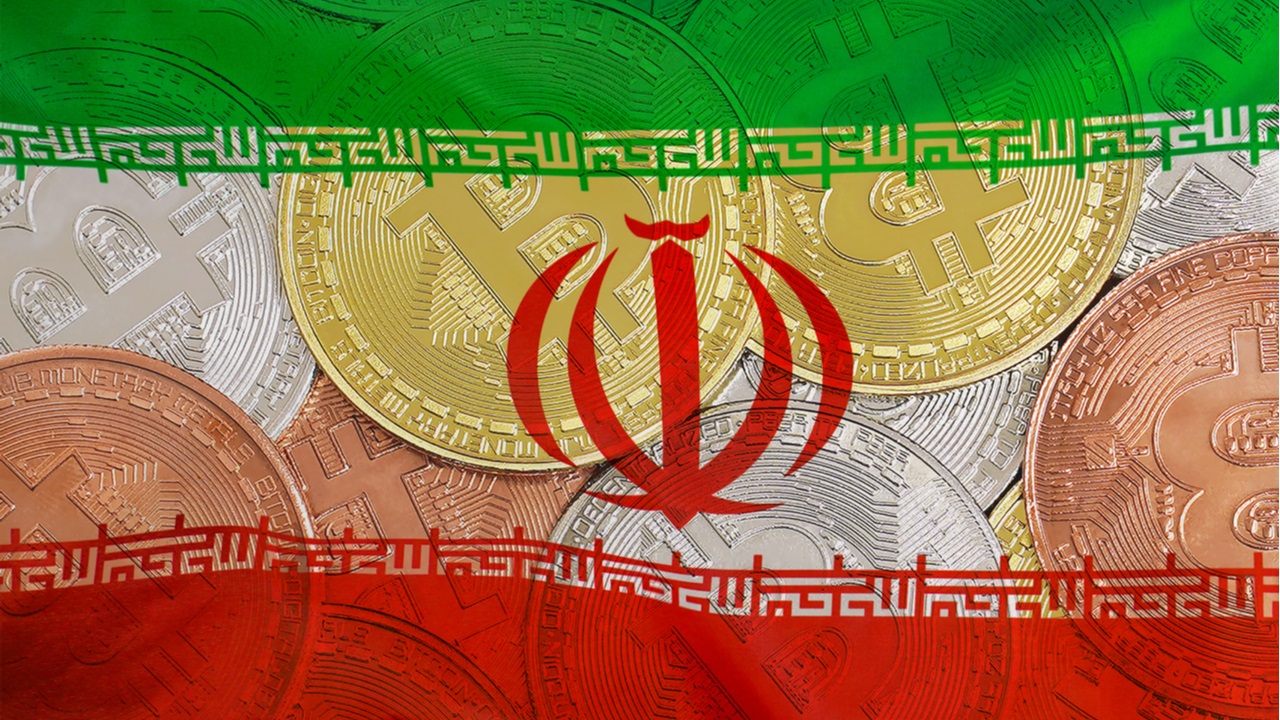
Members of the Iranian parliament, the Majlis, have voiced concerns over Tehran’s restrictive policies towards innovations such as cryptocurrencies. Following the release of a study recommending a new approach towards the crypto industry, the lawmakers have called for the adoption of friendlier regulations.
Iranian MPs Urge for Change in Crypto Policies After Research
Some parliamentarians in Iran have set out to change the government’s regulatory attitude towards cryptocurrencies, citing opportunities to use them to improve the nation’s sanctioned and troubled economy. “Taking a restrictive approach only pushes innovative solutions underground,” the spokesman of the Majlis Economic Commission, Gholamreza Marhaba, told Iranian media. Commenting on the results of the research on the matter carried out by the commission, he also stated:
Our studies show that 50% of crypto activities are in the informal market. This is while supportive regulations can help enhance contribution of the digital currency to the economy.
The authors of the report, which was presented in the Iranian legislature last week, are recommending a new approach to regulating the cryptocurrency industry, the English-language newspaper Financial Tribune reported. They believe the sector can contribute to Iran’s economy suffering from decades of foreign sanctions and mismanagement.
Under current government rules, crypto mining is legal in Iran for entities authorized by the Ministry of Industries, Mining and Trade. The minting of digital coins was recognized as an industrial activity in 2019. However, the trading of crypto assets isn’t tolerated and Iranian authorities have been cracking down on local exchanges with a notable exception — banks and licensed moneychangers are allowed to use digital currency mined in Iran to pay for imports.
Hadi Nejad Beigi, another member of the Majlis, noted that the administration of former president Hassan Rouhani had been reluctant to legalize crypto trade, fearing it would attract private investment. However, the growing popularity of bitcoin among Iranians prompted lawmakers to prepare a draft law which, while proposing to ban the use of cryptocurrencies in payments, at the same time aims to support mining and regulate trading.
Crypto Mining Can Help Iran to Expand Its Power Generation Capacities
According to the study, cryptocurrency mining can solve some problems facing the Iranian energy sector, including financial issues. That’s why the lawmakers have suggested that the government should allow miners to buy electricity through the Iran Energy Exchange or even directly from local and foreign producers. They have also put forward a proposal to introduce “barter deals” in which mining companies can pay for the subsidized energy they use with the digital currency they mine, selling it “at reasonable rates set by the Central Bank of Iran.” Beigi emphasized:
I think there are solutions. We need a mechanism to link the crypto miners and power plant owners.
A colleague of his, Ehsan Arkani, added that by promoting the development of crypto mining, Iran can accelerate the rehabilitation and expansion of its power plants. He also highlighted the potential use of cryptocurrencies to evade U.S.-led economic sanctions. “Cryptos are becoming an inseparable part of the global financial industry,” Arkani pointed out, stressing that “Policymakers need to be aware of this technology so that we can make benefit from it.”
The energy-intensive cryptocurrency mining has been blamed for electricity shortages and blackouts across Iran during the hot summer months. This spring, then-President Rouhani announced a temporary ban on the activity for authorized miners while the number of shut-down, illegal crypto farms has now exceeded 5,300. Last month, Iran’s state-run power utility, Tavanir, said restrictions should be lifted on Sept. 22 as energy demand goes down with temperatures.
Calls to legalize and properly regulate the Iranian crypto industry have been mounting this year. In May, the Iranian parliament urged capital market regulators to create efficient investment vehicles for legal crypto trade. Then in June, the country’s economy minister warned the government could not interfere with the development of crypto technologies for too long. And in mid-August, the country’s securities watchdog said the Central Bank of Iran should address the use of cryptocurrency by the Iranian people.
Do you think Iran will establish a more supportive regulatory regime for crypto companies in the future? Share your expectations in the comments section below.
from Bitcoin News https://ift.tt/3EF841M
Comments
Post a Comment