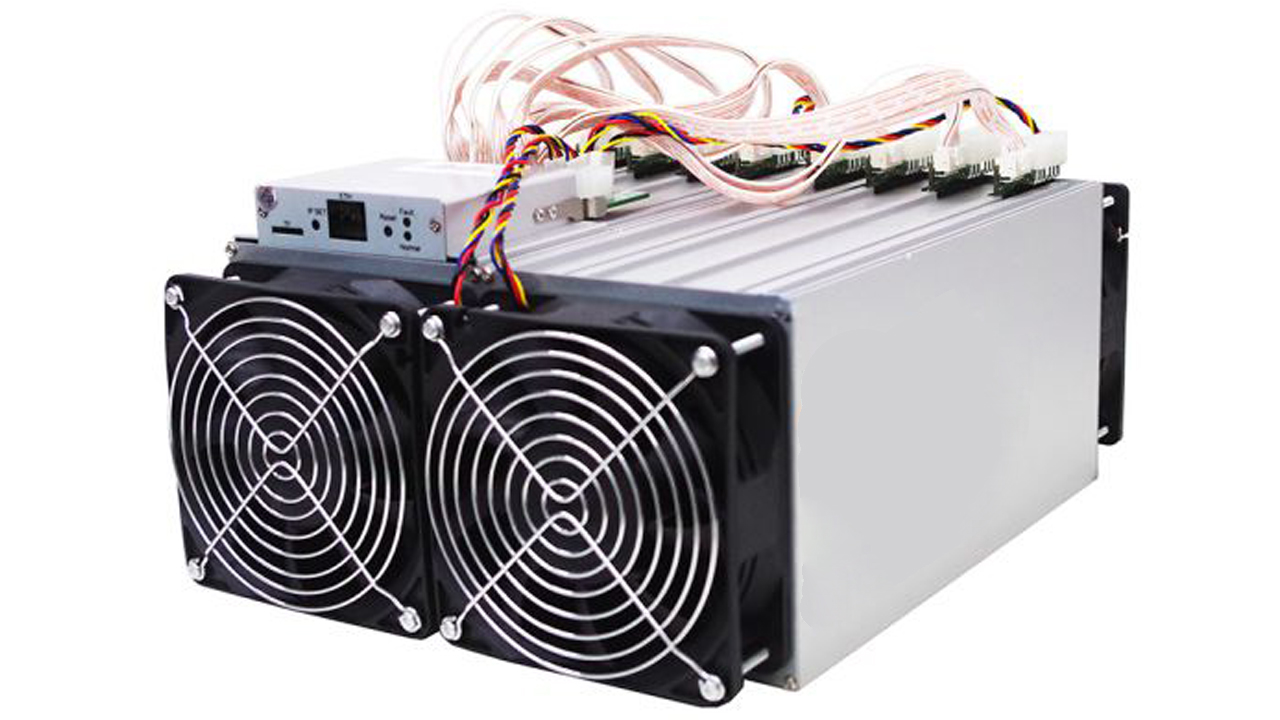
As the end of the year approaches, digital currency values have risen a great deal in 2021 and crypto asset miners have been profiting as a result. According to statistics, the most profitable coin to mine at the end of November is kadena, as an 18 terahash (TH/s) machine can get up to $326 per day. Scrypt coins are the second most profitable these days with up to $110 per day and Ethash miners can make up to $105 per day.
Kadena, Scrypt, Ethash, and Eaglesong Mining Far More Profitable Than SHA256 Mining
Close to 13 years ago when Bitcoin first launched, the cryptocurrency could be mined with a central processing unit (CPU). This means that anyone with a decent computer at the time could mine and find bitcoin (BTC) block rewards. After that phase, people started to leverage devices with specialized electronic circuits called graphics processing units (GPUs).
Today, bitcoin miners utilize application-specific integrated circuit (ASIC) devices to mine BTC. Bitcoin mining rigs dedicate processing power to the SHA256 algorithm and this means a bitcoin ASIC mining device cannot mine coins like ethereum, litecoin, or kadena.
Those networks leverage different consensus algorithms and there’s a slew of machines manufactured to mine specific crypto asset networks with unique consensus algorithms. SHA256 is a consensus algorithm used by Bitcoin, but SHA256 miners can also mine coins like bitcoin cash (BCH), bitcoinsv (BSV), peercoin (PPC), and unbreakable (UNB).
SHA256 cryptocurrencies are the fifth most profitable to mine at the end of November 2021. The top four most profitable consensus algorithms to mine today include Kadena, Scrypt, Ethash, and Eaglesong.
A Kadena-based ASIC miner can get up to $326 per day with 18 TH/s at $0.12 per kilowatt hour (kWh), according to asicminervalue.com stats. A Scrypt-based miner with 9.5 gigahash per second (GH/s) can get $110 per day with the same electrical costs.
750 megahash per second (MH/s) ASIC machines mining the algorithm Ethash (ethereum, ethereum classic, pirl) can get up to $52 per day. Eaglesong-based mining rigs that mine nervos (CKB) can get $45 per day with 12 TH/s.
Next-Generation Mining Rigs for Ethash and SHA256 Are on the Horizon
There are also consensus algorithms such as Blake2bsia, X11, Blake256R14, and Equihash. Blake2bsia compatible mining rigs mine sia (SIA) and handshake (HNS), while X11 compatible rigs mine dash (DASH) and cannabiscoin (CANN). Blake256R14 mines decred (DCR) while Equihash-based machines can mine zcash (ZEC), hush (HUSH), and zencash (ZEN).
SHA256 miners mining bitcoin (BTC) with around 100 TH/s at $0.12 per kWh, can get up to $27 per day mining. The top bitcoin miners process at speeds up to 100 TH/s but SHA256 miners with at least 11.5 TH/s can turn a small profit. During the next few months, a number of next-generation miners are slated to launch.
Upcoming mining rig releases that pack a lot more hashpower will be dedicated to consensus algorithms like Ethash and SHA256, according to a few prior announcements. For instance, in July 2022, Bitmain is expected to release the Antminer S19 XP (140 TH/s) and Innosilicon’s A11 Pro ETH (2,000 MH/s) is reportedly coming soon as well.
What do you think about the top consensus algorithms today and the profits these networks can obtain? Let us know what you think about this subject in the comments section below.
from Bitcoin News https://ift.tt/3E0w9iS
Comments
Post a Comment