
Fed Chair Jerome Powell Could ‘Slow Crypto Down’ in His Second Term, Warns Billionaire Mike Novogratz
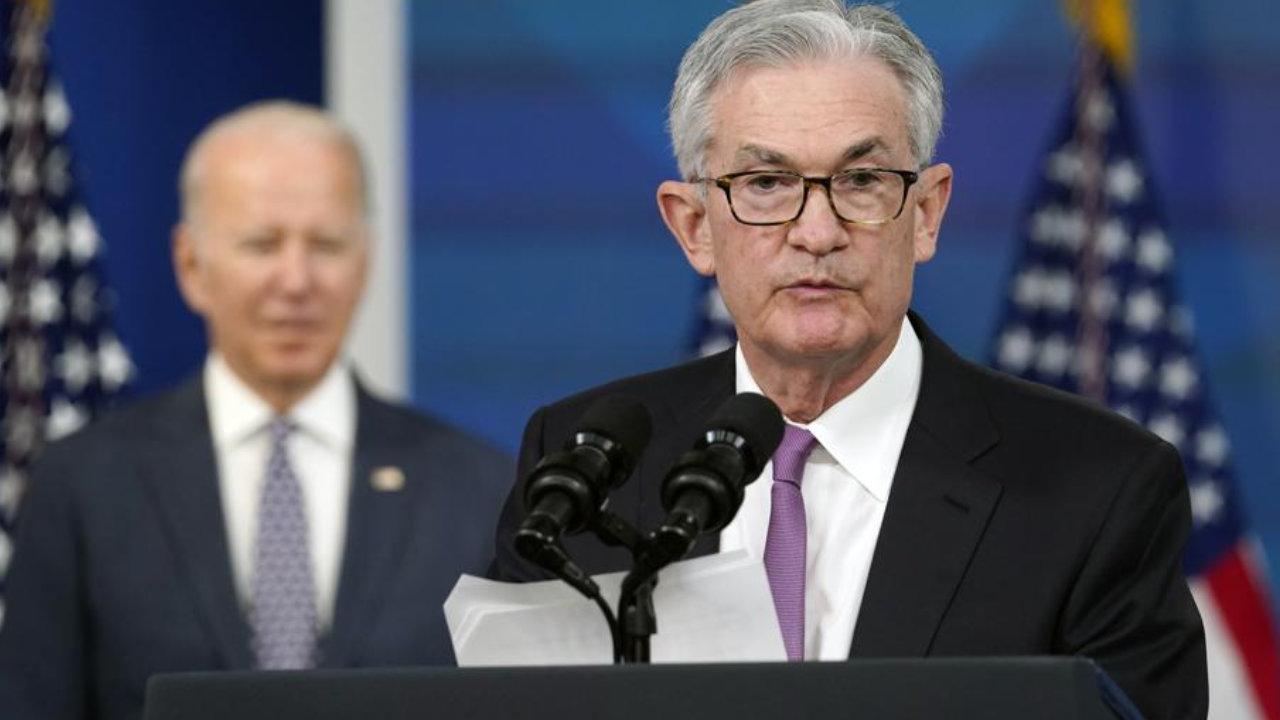
Fed Chair Jerome Powell Could 'Slow Crypto Down' in His Second Term, Warns Billionaire Mike Novogratz

Billionaire investor Mike Novogratz has cautioned that Federal Reserve Chairman Jerome Powell could slow down the crypto market in his second term in office. Commenting on his renomination, Novogratz said Powell could “act more like a central banker than a guy that wants to be reappointed.”

How Jerome Powell’s Second Term as Fed Chair Could Impact Crypto

Billionaire investor Mike Novogratz, CEO of Galaxy Digital, talked about the impact the renomination of Jerome Powell as the Federal Reserve chairman for another term could have on the crypto market on CNBC last week.

President Joe Biden nominated Powell to serve for a second term as Fed chair last week. Powell has overseen the biggest monetary stimulus in U.S. history to help the economy cope with the Covid-19 pandemic and subsequent crisis.

The “macro story has changed a little bit,” Novogratz explained, adding that Powell getting reappointed could allow him “to act more like a central banker than a guy that wants to be reappointed.”

Emphasizing, “We have inflation showing up … in pretty bad ways in the U.S.,” Novogratz opined, “So we can see, is the Fed going to have to move a little faster?” The billionaire fund manager continued:

That would slow all assets down. It would slow the Nasdaq down. It would slow crypto down, if we have to start raising rates much faster than we thought.

Mike Bailey, director of research at FBB Capital Partners, also commented on the effect Powell’s second term in office could have on the crypto industry. He was quoted by Bloomberg last week as saying:

For die-hard crypto bulls, another Powell term may provide some confirmation bias, since these investors often view crypto as a hedge for loose Fed policy.

However, Douglas Boneparth, president of the financial advisory firm Bone Fide Wealth, said that overall there is uncertainty about how markets will react without additional support from the Fed.

Meanwhile, Novogratz remains bullish about the outlook of the crypto industry. He shared:

The amount of institutions Galaxy sees moving into this space is staggering.

“I was on the phone with one of the biggest sovereign wealth funds in the world today, and they’ve made the decision on a go-forward basis to start putting money into crypto,” he detailed. “I’ve had the same conversations with big pension funds in the United States.”

Microstrategy CEO Michael Saylor recently said that bitcoin will grow 100X to become a $100 trillion asset class. A survey by Nickel Digital Asset Management shows that 82% of institutional investors and wealth managers are planning to increase their cryptocurrency exposure between now and 2023. Investment bank Goldman Sachs said in May that fear of missing out (FOMO) is driving institutional investors to bitcoin.

Do you agree with Mike Novogratz? Let us know in the comments section below.


from Bitcoin News https://ift.tt/3E98Va7

Comments

Popular posts from this blog

Mt Gox Creditors Updated, Trustee Says Rehabilitation Custodian Is ‘Currently Preparing to Make Repayments’

On August 31, 2022, the Mt Gox trustee Nobuaki Kobayashi explained in a recent letter that the rehabilitation custodian is “currently preparing to make repayments” to Mt Gox creditors. Trustee Updates Mt Gox Creditors — Repayment Date and Exchange Still Unknown Last week speculation and rumors concerning the release of 140K bitcoin ( BTC ) from Mt Gox littered social media platforms and headlines. Bitcoin.com News covered the situation six days ago as a number of people and Mt Gox creditors called the rumors “ fake news .” During that same period of time, a bitcoin whale transferred 10,000 BTC to unknown wallets, and a 2018 annotation , heuristics, and clustering methods show the funds likely originated from the June 2011 Mt Gox hacks. Following the mysterious whale transfer, last Wednesday, Mt Gox published an official update from the court trustee Nobuaki Kobayashi that explains the court is “currently preparing to make repayments” to creditors. Mt Gox creditors have been wait...

Economists Discuss Russia, China Potentially Developing Gold-Backed Currency That Could Undermine US Dollar

Economists have weighed in on reports that China and Russia may be developing a new gold-backed currency that could undermine the U.S. dollar’s status as the world’s primary reserve currency. Russia and China May Be Developing Gold-Backed Currency Several experts have shared their views on Russia and China potentially creating a new gold-baked currency, Fox Business reported Saturday, emphasizing that China has been buying up huge quantities of gold while Russia was forced off the U.S. dollar due to sanctions imposed on the country following its invasion of Ukraine. The news outlet noted that some experts have cautioned that these moves, along with the closer relationship that has developed between Moscow and Beijing, point to the likelihood of China attempting to launch a gold-backed currency. However, neither Russia nor China has officially confirmed plans for such a currency. Craig Singleton, senior fellow at the Foundation for Defense of Democracies and a former U.S. diplomat,...

Fidelity Discusses Bitcoin as Portfolio Insurance — Could Soon Stand in ‘Stark Contrast’ to Path Fiat Currencies Take

Fidelity Digital Assets, a subsidiary of Fidelity Investments, says that bitcoin could be considered portfolio insurance. The firm notes that the cryptocurrency “may soon stand in stark contrast to the path that the rest of the world and fiat currencies may take — namely the path of increased supply, additional currency creation, and central bank balance sheet expansion.” Fidelity Says Bitcoin Could Be Portfolio Insurance Fidelity Digital Assets, a subsidiary of Fidelity Investments, recently published a research study titled “The Rising Dollar and Bitcoin.” The research outlines “how bitcoin could be considered portfolio insurance” as the rising dollar impacts global currency markets. “The strengthening U.S. dollar is wreaking havoc among other countries and may put pressure on the Federal Reserve to soon reverse its tightening monetary actions, something that has precedent based on 1985’s Plaza Accord,” Fidelity explained. In addition, “more monetary debasement may be needed to ...