Students Mining Crypto in Dorms May Face Criminal Prosecution in Russia, Lawyer Says

Students Mining Crypto in Dorms May Face Criminal Prosecution in Russia, Lawyer Says

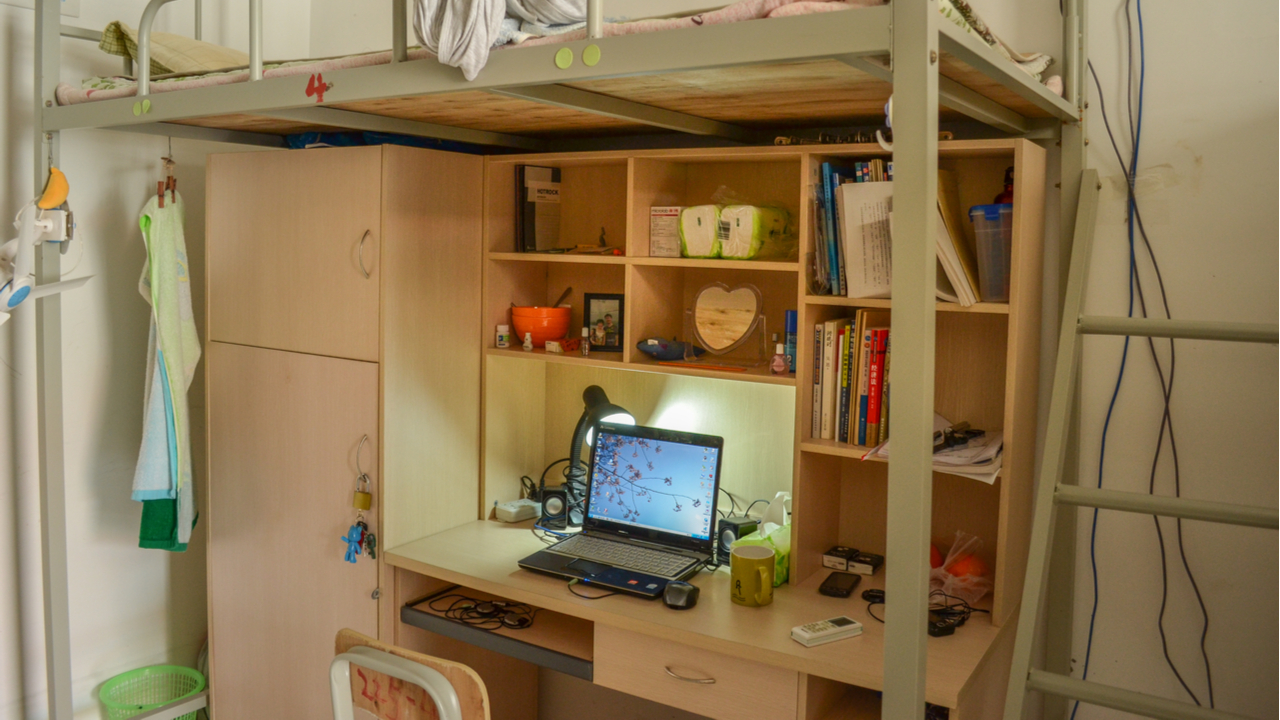
University students in Russia minting digital currencies in their dormitories risk penalties and even criminal charges, according to a legal expert quoted by local media. The warning comes as Russian authorities are trying to curb crypto mining with cheap energy in residential areas.

Mining May Turn Into Risky Undertaking for Russian Students

As more and more Russians are setting up improvised crypto farms in places with access to subsidized electricity, like their homes, students have been warned that mining digital coins in the dorm can be treated as a criminal violation of the law.

At the very least, universities will demand that they pay the excess power consumption, Vladimir Shelupakhin from the Gorgadze and Partners legal firm told the RIA Novosti news agency. In some cases, however, the amateur miners may be prosecuted for crimes, he added.

Mining can cause significant material damages, the report notes. If a university pays a higher electricity bill, it may seek compensation from the students that have been caught minting cryptocurrency, the lawyer elaborated. But if the miners refuse to cover these expenses, they may eventually pay with their freedom, Shelupakhin warned.

“If it isn’t possible to identify the miners, then it is necessary to report to the police. And in this case, the violators will bear criminal liability under article 165 of the Criminal Code (Causing property damage by deceit or breach of trust),” the legal expert specified.

Crypto mining in Russia is not only a profitable business for companies but has become an alternative income source for many ordinary Russians as well. Household electricity in the country is subsidized and much cheaper than the power sold to companies, especially in energy-rich regions.

Consumption by the population in Irkutsk, where electricity rates start at just $0.01 per kWh in rural areas, has increased four times in 2021 and authorities believe the spike is due to mining hardware running in basements and garages. Miners have been blamed for breakdowns and outages.

In an effort to deal with the issue, members of the parliamentary Energy Committee have recently suggested to the federal government a set of measures aimed at curbing home mining. The move comes after the Russian association of energy suppliers sent similar proposals to the State Duma, the lower house of parliament.

The lawmakers want utilities to be allowed to disconnect illegal miners from the grid and consumers required to declare the intended use of the electrical energy. They also insist that internet providers should be obliged to share with authorities the IP addresses of suspected miners and data about their mining activity.

Do you expect Russia to crack down on home crypto miners? Share your thoughts on the subject in the comments section below.


from Bitcoin News https://ift.tt/qw4K03y

Comments

Popular posts from this blog

Mt Gox Creditors Updated, Trustee Says Rehabilitation Custodian Is ‘Currently Preparing to Make Repayments’

On August 31, 2022, the Mt Gox trustee Nobuaki Kobayashi explained in a recent letter that the rehabilitation custodian is “currently preparing to make repayments” to Mt Gox creditors. Trustee Updates Mt Gox Creditors — Repayment Date and Exchange Still Unknown Last week speculation and rumors concerning the release of 140K bitcoin ( BTC ) from Mt Gox littered social media platforms and headlines. Bitcoin.com News covered the situation six days ago as a number of people and Mt Gox creditors called the rumors “ fake news .” During that same period of time, a bitcoin whale transferred 10,000 BTC to unknown wallets, and a 2018 annotation , heuristics, and clustering methods show the funds likely originated from the June 2011 Mt Gox hacks. Following the mysterious whale transfer, last Wednesday, Mt Gox published an official update from the court trustee Nobuaki Kobayashi that explains the court is “currently preparing to make repayments” to creditors. Mt Gox creditors have been wait...

Fidelity Discusses Bitcoin as Portfolio Insurance — Could Soon Stand in ‘Stark Contrast’ to Path Fiat Currencies Take

Fidelity Digital Assets, a subsidiary of Fidelity Investments, says that bitcoin could be considered portfolio insurance. The firm notes that the cryptocurrency “may soon stand in stark contrast to the path that the rest of the world and fiat currencies may take — namely the path of increased supply, additional currency creation, and central bank balance sheet expansion.” Fidelity Says Bitcoin Could Be Portfolio Insurance Fidelity Digital Assets, a subsidiary of Fidelity Investments, recently published a research study titled “The Rising Dollar and Bitcoin.” The research outlines “how bitcoin could be considered portfolio insurance” as the rising dollar impacts global currency markets. “The strengthening U.S. dollar is wreaking havoc among other countries and may put pressure on the Federal Reserve to soon reverse its tightening monetary actions, something that has precedent based on 1985’s Plaza Accord,” Fidelity explained. In addition, “more monetary debasement may be needed to ...

Economists Discuss Russia, China Potentially Developing Gold-Backed Currency That Could Undermine US Dollar

Economists have weighed in on reports that China and Russia may be developing a new gold-backed currency that could undermine the U.S. dollar’s status as the world’s primary reserve currency. Russia and China May Be Developing Gold-Backed Currency Several experts have shared their views on Russia and China potentially creating a new gold-baked currency, Fox Business reported Saturday, emphasizing that China has been buying up huge quantities of gold while Russia was forced off the U.S. dollar due to sanctions imposed on the country following its invasion of Ukraine. The news outlet noted that some experts have cautioned that these moves, along with the closer relationship that has developed between Moscow and Beijing, point to the likelihood of China attempting to launch a gold-backed currency. However, neither Russia nor China has officially confirmed plans for such a currency. Craig Singleton, senior fellow at the Foundation for Defense of Democracies and a former U.S. diplomat,...