US Personal Consumption Expenditures Tap Record Highs, Stanford Economist Says Fed Should Increase Rates Above 9%
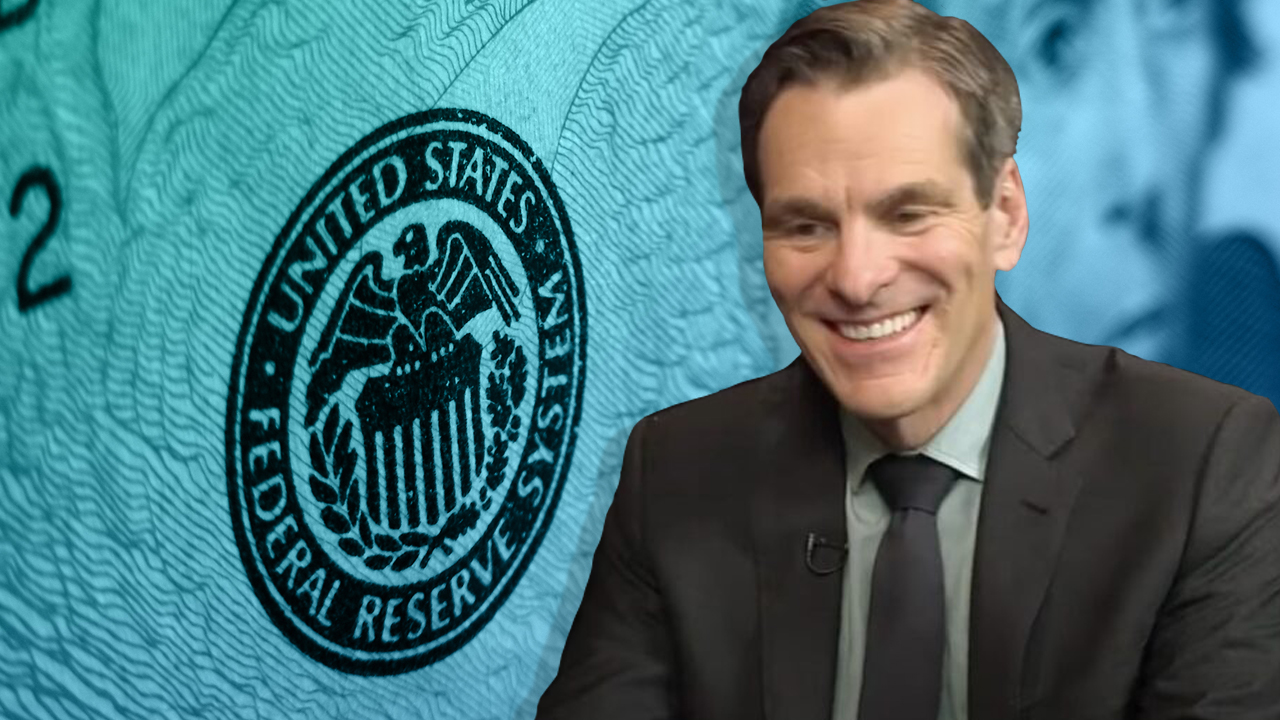
On July 29, the U.S. Bureau of Economic Analysis reported on America’s personal consumption expenditures (PCE) price index for the month of June, and the figure saw the largest 12-month increase since 1982. On the same day, Stanford University’s senior fellow at the Hoover Institution and professor of economics, John Cochrane, said the Federal Reserve should increase rates above 9% to tame inflation.
PCE Price Index Increased 4.8 Percent From One Year Ago
The U.S. economy continues to look gloomy every time a new economic report or data is released to the general public. In mid-July, the Bureau of Labor Statistics Consumer Price Index (CPI) report was published, and it revealed June’s CPI data reflected a record peak 9.1% year-over-year increase. On July 27, the U.S. Federal Reserve hiked the federal funds rate by 75 basis points (bps) in order to help curb the red hot inflation.
Two days later, the Bureau of Economic Analysis (BEA) released the closely watched personal consumption expenditures index data otherwise known as PCE. The PCE index saw the largest 12-month jump rising 6.8% in June, an increase that hasn’t been recorded since January 1982.
“From the same month one year ago, the PCE price index for June increased 6.8 percent,” the BEA report details. “Prices for goods increased 10.4 percent and prices for services increased 4.9 percent. Food prices increased 11.2 percent and energy prices increased 43.5 percent. Excluding food and energy, the PCE price index increased 4.8 percent from one year ago,” the government entity’s records note. The BEA plans to release results from the National Economic Accounts annual update on September 29.
Professor of Economics at Stanford University Thinks a Gold or Bitcoin Standard Won’t Work
On the same day, the economist John Cochrane did an interview with Kitco’s newsdesk and said the U.S. central bank should bump interest rates higher than 9%. Cochrane further remarked that a gold or bitcoin standard would not be able to control inflation. The professor of economics at Stanford University said that the “consensus view” was that the Fed should hike rates “substantially above” the 9% region.
“That means, right now with 9 percent inflation, economists are talking about 10, 11, or 12 percent interest rates to bring [prices] down,” Cochrane remarked. “I think the Fed and markets are counting on a lot of inflation going away on its own without interest rates having to go quite that high,” the Stanford economist told Kitco News anchor David Lin.
Lin also asked Cochrane about a gold standard or a bitcoin standard used to control inflation. “Sorry, no,” the economist replied. “Under the gold standard, there was a lot of inflation and deflation. 10 or 20 percent ups and downs of inflation and deflation, but every inflation was then matched by a deflation. I’m sorry, we’re not going back to gold.” Cochrane believes the Fed needs to implement tighter fiscal policy in order to combat inflationary pressures.
As far as a bitcoin standard, Cochrane said it was an awful idea and insisted bitcoin (BTC) is “worthless.” “That’s a terrible idea,” Cochrane said in his interview with Lin. “In terms of financial technology, Bitcoin is an attempt to revive gold, something intrinsically worthless that people only hold onto because it’s rare… Bitcoin is also very poor for making transactions itself, since it’s so computationally intensive.” Cochrane concluded:
The best answer is our governments should start running sober fiscal and monetary policies, and pay more attention to keep inflation under control.
What do you think about the latest PCE data and the economist John Cochrane’s opinion? Do you think improved fiscal and monetary policies can help tame U.S. inflation? Let us know what you think about this subject in the comments section below.
from Bitcoin News https://ift.tt/D6SVYur
Comments
Post a Comment